Exosomes and polynucleotides are both exciting innovations in aesthetics, each offering unique benefits for skin rejuvenation and repair. Here’s a breakdown of their roles and how they complement each other:
Exosomes
- Origin: Tiny vesicles secreted by cells, often derived from stem cells.
- Mechanism: They carry bioactive molecules like proteins, RNA, and lipids, which facilitate cell communication and regeneration.
- Applications: Exosomes are used to enhance collagen production, reduce inflammation, and improve skin texture and elasticity. They are also effective in hair restoration and post-treatment recovery.
Polynucleotides
- Origin: Polymers of nucleotides, the building blocks of DNA and RNA, often derived from natural sources like salmon DNA.
- Mechanism: Polynucleotides hydrate the skin, promote tissue regeneration, and stimulate fibroblast activity, which supports collagen and elastin production.
- Applications: They are particularly valued for improving skin hydration, elasticity, and healing, as well as reducing scars and fine lines.
Synergy in Aesthetics
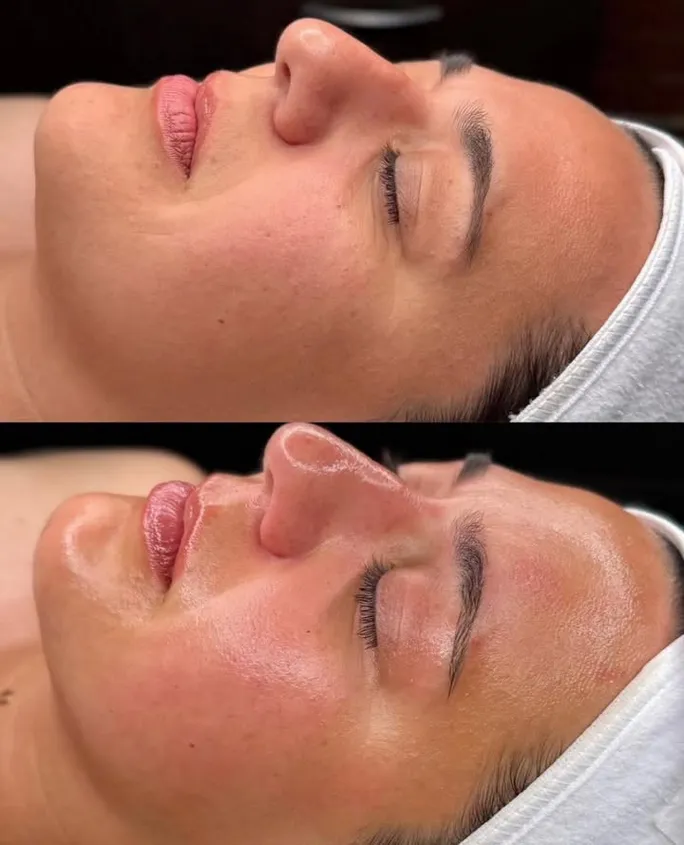
When combined, exosomes and polynucleotides can provide a comprehensive approach to skin rejuvenation. Exosomes enhance cellular communication and regeneration, while polynucleotides focus on hydration and structural support. Together, they accelerate healing, improve skin quality, and deliver long-lasting results.