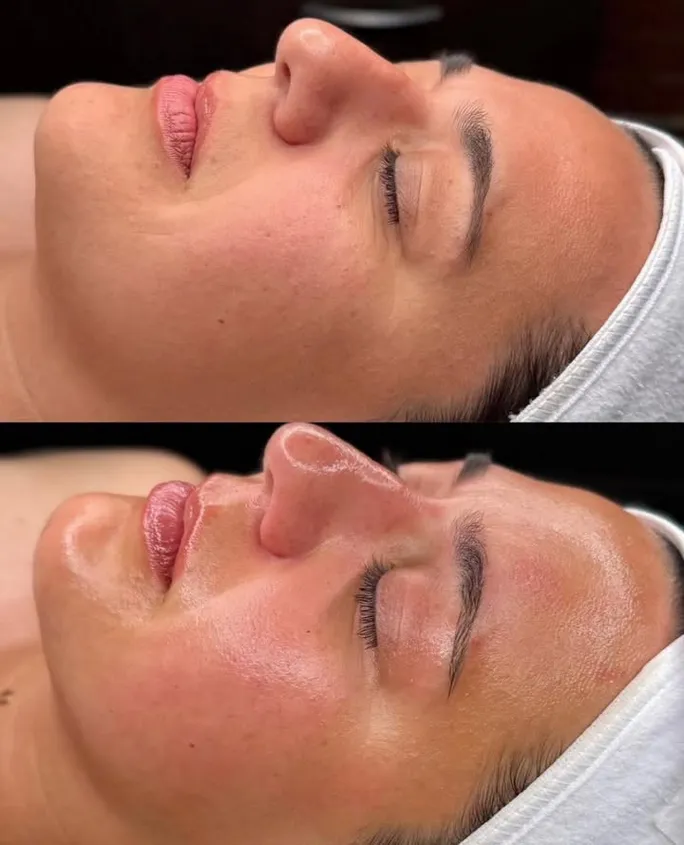
Could LED Light Therapy be one of the most underrated treatments in aesthetic?
Red light therapy might look simple on the surface, but the science behind it is anything but.
LED (Light Emitting Diode) therapy has been used in medicine for decades, and in aesthetics, it remains one of the most clinically backed, non-invasive treatments to support skin health, regeneration, and recovery.

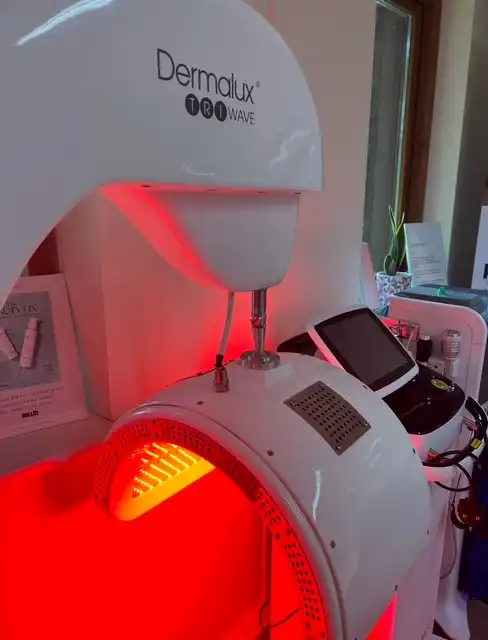
I use the Dermalux Tri-Wave, an award-winning medical-grade system that delivers three clinically proven wavelengths — blue, red, and near-infrared — each targeting specific skin functions.
- Blue light has powerful antibacterial effects, helping to reduce P. acnes bacteria and improve acne symptoms
- Red light stimulates fibroblasts to produce more collagen and elastin, supporting firmer, more resilient skin
- Near-infrared accelerates wound healing, calms inflammation, and improves blood circulation at a cellular level
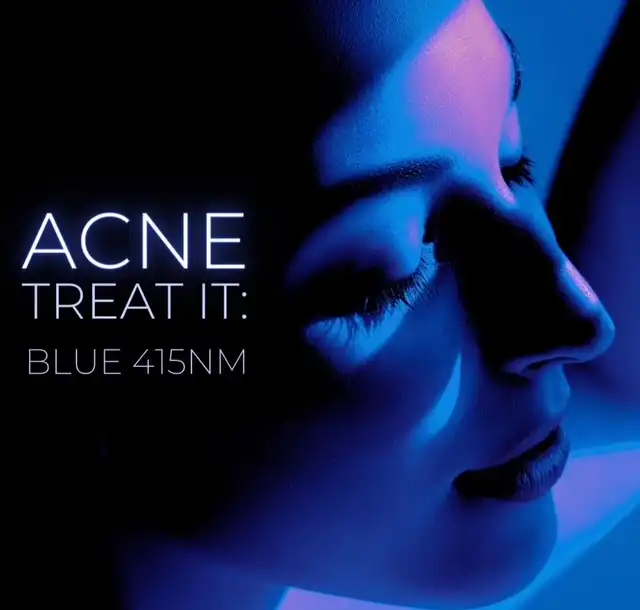
Whether you’re looking to calm post-treatment inflammation, speed up skin recovery, or support collagen production over time, LED is one of the most versatile tools we have. And crucially, it’s backed by data, with numerous peer-reviewed studies demonstrating its efficacy.
It’s also completely non-invasive, pain-free, and suitable for virtually all skin types. That’s why I recommend it not just as a standalone treatment, but as a powerful adjunct to nearly every aesthetic protocol we offer.
In a world of overpromised and under-researched skincare trends, LED light therapy remains a gold standard for a reason.